More than 60% of adults sleep on their side, making it the most common sleeping position worldwide. It is often considered beneficial because it helps improve breathing and can reduce snoring. Side sleeping is also commonly advised for people with sleep apnea, as it may ease symptoms. In some cases, it can support better blood flow and take pressure off internal organs. However, simply sleeping on your side does not guarantee comfort. Without proper body support, it can still cause stiffness, pain, or discomfort over time. Studies show that people snore more when sleeping on their back, while side sleeping can reduce airway blockage and improve breathing.
Health Benefits of Sleeping on Your Side
Sleeping on your side can provide several health benefits when it is done in the right way. It is particularly helpful for people with acid reflux, since lying on the left side may reduce the backflow of stomach acid at night. This position can also keep the airways more open, which helps lower snoring and supports better breathing. It may reduce pressure on the lower back and support spinal alignment as well. Some doctors also suggest side sleeping for improved digestion and heart health. However, these benefits depend on proper body alignment. If pillows or support are not correct, it can reduce these advantages and may even lead to discomfort.
The Best Side to Sleep On
For most people, there is no major difference between sleeping on the left side or the right side. Both positions can support healthy spinal alignment as long as the pillow and mattress provide proper support.
However, in some situations, one side may be more beneficial depending on health needs:
During pregnancy: Doctors generally recommend sleeping on the left side as pregnancy progresses. Occasional right-side sleeping is usually fine, but sleeping on the back is often discouraged in the second and third trimesters.
For heartburn: Raising the head while sleeping is commonly advised. In addition, some evidence suggests that left-side sleeping may help reduce acid reflux symptoms in certain individuals.
For heart conditions: People with heart failure may sometimes feel more breathless when lying on the left side, and may find the right side more comfortable.
For shoulder pain: Many people naturally choose the side that does not cause discomfort, avoiding pressure on the painful shoulder.
Overall, the best sleeping side depends on individual comfort and health conditions, while proper pillow and mattress support remains the most important factor for good sleep.
Why the Right Pillow Matters for Side Sleepers
A pillow is not just for comfort; it is essential for proper spinal alignment. When you sleep on your side, a gap is created between your head and the mattress. If this gap is not properly supported, your neck can bend at an unnatural angle, causing strain. Over time, this may lead to stiffness, shoulder pain, or headaches. A good pillow fills this space and keeps the head, neck, and spine in a straight line. This helps reduce pressure on sensitive areas and allows the muscles to fully relax. The right pillow can significantly improve sleep quality and reduce morning discomfort.
Understanding Pillow Loft (Height)
Loft means the height or thickness of a pillow, and it is very important for side sleepers. A proper loft fills the gap between the neck and shoulders and helps keep the spine in a neutral position. If the pillow is too low, the head drops downward, which puts pressure on the neck. If it is too high, the head is lifted too much, leading to poor alignment.
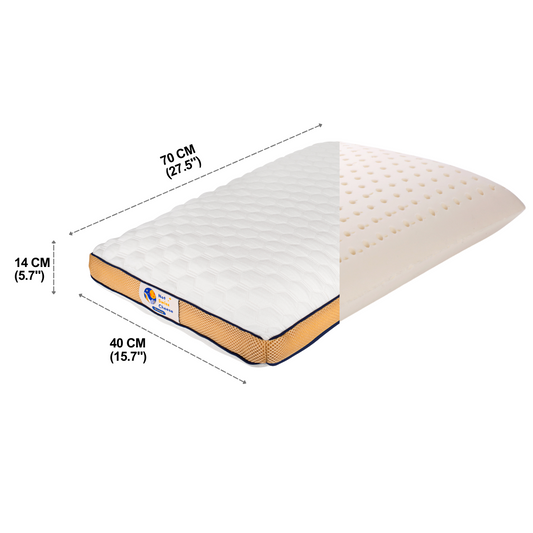
Most side sleepers do best with a medium to high loft pillow, usually around five inches or more. However, the right height can vary based on shoulder width and body structure. The main aim is to keep the head level with the spine so the body stays properly supported during sleep.
Pillow Firmness Importance
Firmness refers to how much a pillow compresses when you lie on it, and it works along with loft. If a pillow is too soft, it can flatten during the night and lose support, which affects spinal alignment. If it is too firm, it may not adjust to the shape of the neck and shoulders, leading to pressure buildup.
Studies in sleep ergonomics show that medium to firm pillows are usually best for side sleepers. They are supportive enough to maintain height but still flexible enough to contour to the body. The right firmness helps keep support consistent throughout the night, reduces pressure points, and improves overall comfort.
How the Wrong Pillow Causes Neck Pain
Neck pain is a frequent problem for side sleepers, and it is usually linked to poor pillow support. When the neck is not properly aligned with the spine, the muscles stay strained for long periods. Over time, this can cause stiffness, soreness, and sometimes ongoing discomfort.
Both very flat and overly thick pillows can create issues. What matters most is using a pillow that supports the natural curve of the neck. Good alignment allows the muscles to relax and recover during the night. This helps reduce pain, improves sleep quality, and supports better energy levels during the day.
Additional Tips to Improve Side Sleeping Comfort
Apart from choosing the right pillow, small changes in sleeping position can improve overall posture. Placing a pillow between the knees helps keep the hips aligned and reduces pressure on the lower back. It also stops the top leg from twisting the spine during sleep.
Keeping the shoulders relaxed and avoiding a curled-forward position further supports proper alignment. These simple adjustments may seem minor, but they have a strong impact over time. With consistent posture support, the body stays more balanced and comfortable through the night, helping reduce long-term pain and stiffness.
Role of Mattress in Spinal Alignment
Your mattress and pillow work together to support your body while you sleep. If the mattress is too firm, it can put extra pressure on the shoulders. If it is too soft, the body may sink unevenly and lose proper alignment.
For side sleepers, a medium-support mattress is generally the most suitable choice. It allows the shoulders and hips to sink slightly while still supporting the rest of the body. When replacing a mattress is not an option, a mattress topper can help adjust comfort and firmness.
The main goal is to create a well-balanced sleep surface. When both the mattress and pillow provide proper support, the spine stays aligned and overall sleep quality improves.
Final Thoughts
Side sleeping can be a very healthy position, but only when the body is properly supported. A suitable pillow helps keep the spine aligned, reduces pressure points, and improves overall comfort during sleep.
Key factors like loft and firmness are important when selecting the right pillow, as they directly affect support and alignment. Along with this, small changes in sleeping posture can also improve comfort and reduce strain.
When the pillow, mattress, and body position all work together, side sleeping becomes more effective and comfortable. Proper support can help you wake up feeling more rested and free from pain.
Author
Jayant Upadhyay is a health writer and content strategist with 13+ years of experience in SEO-driven content and research-led publishing. He has created 5,000+ articles across health, wellness, and lifestyle, focusing on evidence-based insights that improve sleep, well-being, and everyday health outcomes for global audiences.
https://www.linkedin.com/in/jayant-upadhyay-3a385228/?skipRedirect=true
Reference