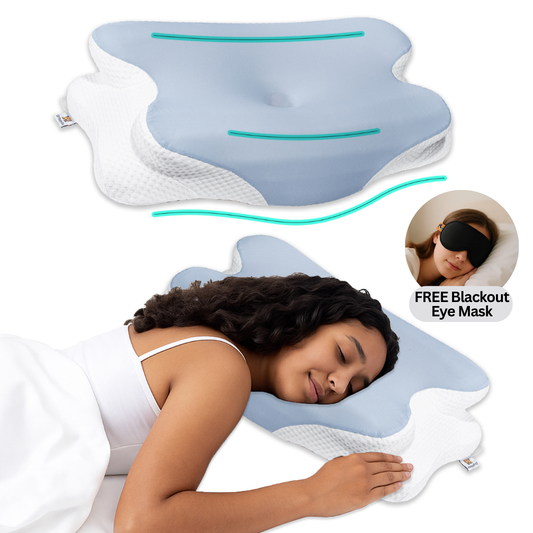
Choosing the right pillow plays a big role in how well you sleep, how your spine stays aligned, and how your body feels the next day. Two of the most common options today are latex pillows and memory foam pillows. Both are popular, but they work in different ways and suit different sleep needs.
Latex pillows are made from natural or synthetic rubber material. They are known for being firm yet responsive, and they tend to stay cool during sleep. Memory foam pillows, on the other hand, are made from viscoelastic foam that slowly molds to the shape of your head and neck, giving a “hugging” feeling.
Studies on sleep ergonomics suggest that proper pillow support can reduce neck pain in up to 70–80% of users with mild to moderate discomfort. Research also shows that improving spinal alignment during sleep can increase overall sleep quality by around 10–20% in many people, especially those with chronic neck or shoulder issues.
This article compares latex and memory foam pillows in a simple way, looking at comfort, support, durability, temperature control, and health effects. It also includes research insights to help you understand which option may work better for your body and sleep style. Choosing the right pillow can make a noticeable difference in sleep quality and daily energy levels.
What Are Latex Pillows?
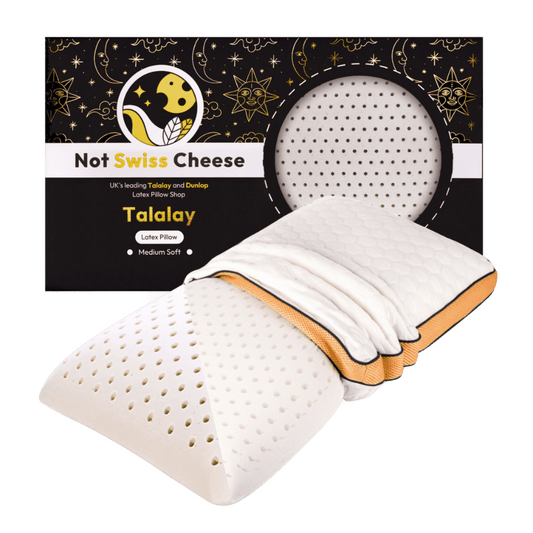
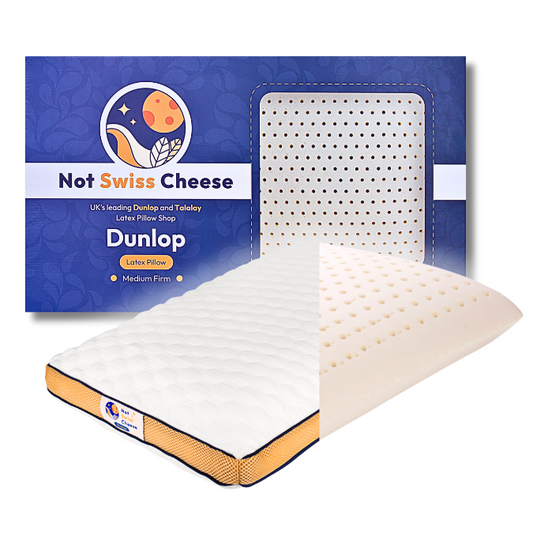
Latex pillows are made using either natural or synthetic latex. Natural latex comes from the sap of rubber trees, which is a renewable resource. This sap is processed into foam that is used to make pillows. Latex is valued for being flexible, long-lasting, and naturally breathable.
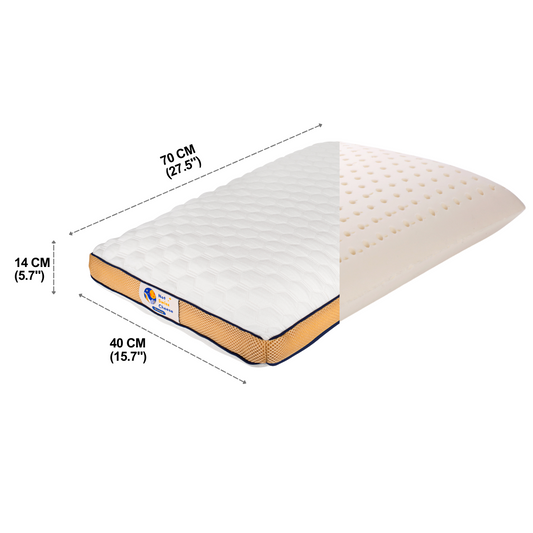
The foam structure of latex is open-cell, which means air can move easily through it. Many latex pillows also have small holes added to improve ventilation and keep the pillow cooler during sleep. Because of this airflow, latex pillows are often a good choice for people who feel hot while sleeping.
Latex is also commonly used in everyday items like rubber bands because it can stretch and quickly return to its original shape. The same quality gives latex pillows a bouncy, responsive feel along with steady support for the head and neck.
What Are Memory Foam Pillows?
Memory foam pillows are made from viscoelastic polyurethane foam. This type of material was first created for use in space and aviation projects, and later became popular in home bedding products.
Memory foam reacts to body heat and pressure. When you lie on it, the foam softens and slowly shapes itself around your head and neck. This helps spread out weight more evenly and reduces pressure on specific points like the neck, shoulders, and back of the head.
Unlike latex, memory foam reacts more slowly. When you move or remove pressure, it takes a few seconds to bounce back to its original shape. This slow recovery creates a “hugging” or “sinking in” feeling, which many people find very comfortable, especially for side sleepers or those with neck pain.
Key Differences Between Latex and Memory Foam Pillows
Latex and memory foam pillows differ in several important areas such as material, comfort, breathability, durability, and overall feel.
1. Material and Composition
Latex pillows are made from natural latex (from rubber tree sap) or blended latex that mixes natural and synthetic materials. Because natural latex comes from a renewable source, it is often seen as a more eco-friendly option.
Memory foam pillows are made from synthetic polyurethane-based foam. This material is created through chemical processing and may include additives to improve softness, firmness, or cooling. Modern versions are often designed to reduce odor and chemical emissions, but they remain man-made materials.
In simple terms, latex is more natural-based, while memory foam is fully synthetic and engineered for shaping and pressure relief.
2. Support and Responsiveness
Latex pillows are very responsive. They adjust instantly when you change position and quickly return to their original shape. This helps keep steady support for the head and neck throughout the night and supports better spinal alignment.
Memory foam pillows work differently. They respond slowly and gradually mold to the shape of your head and neck. This close contouring can help reduce pressure points, especially around the shoulders and neck. However, because they react slowly, they don’t adjust as quickly when you move during sleep.
Research published in the Journal of Chiropractic Medicine suggests that good pillow support is important for reducing neck pain and improving sleep posture. Proper alignment of the head and spine during sleep can significantly improve comfort and reduce stiffness in the morning.
3. Pressure Relief
Memory foam is well known for its strong pressure-relieving ability. It spreads body weight evenly across the surface and reduces strain on sensitive areas like the neck, shoulders, and upper back. This “slow sink” effect helps some people feel more relaxed and supported.
Latex also helps with pressure relief, but in a different way. Instead of letting the head sink deeply, it provides a more balanced mix of cushioning and firmness. This keeps the head slightly lifted while still reducing pressure on key points.
In simple terms, memory foam focuses on deep contouring and even pressure spread, while latex offers lighter cushioning with more bounce and support.
Both can improve comfort and reduce pressure discomfort, but the better choice depends on personal preference—whether someone prefers a soft sinking feel or a firmer, more responsive surface.
4. Temperature Regulation
Temperature control plays a big role in sleep comfort and quality. Latex pillows are generally cooler because of their open-cell structure, which allows air to flow through easily. Many latex designs also include built-in ventilation holes that improve airflow and help release heat during sleep.
A study in Building and Environment found that better airflow in bedding materials improves thermal comfort and helps maintain a more stable sleeping temperature throughout the night. In this area, latex performs well due to its natural breathability.
Memory foam, on the other hand, tends to hold more heat because of its dense structure. It absorbs body heat and releases it slowly, which can make the pillow feel warmer over time. To solve this, some modern memory foam pillows include cooling gels, airflow channels, or perforated designs. However, standard memory foam may still feel warmer compared to latex, especially in hot or humid conditions
5. Durability and Lifespan
Latex pillows are known for their long-lasting durability. They can typically maintain their shape and support for about 5 to 10 years without significant sagging. This makes them a strong option for long-term use.
Memory foam pillows usually have a shorter lifespan, around 2 to 5 years. Over time, they may lose firmness, become less responsive, and develop permanent body impressions.
From a value perspective, durability matters because a longer-lasting pillow can reduce replacement costs over time. While latex may cost more initially, its longer lifespan often makes it more cost-effective in the long run.
6. Hypoallergenic Properties
Latex pillows are naturally resistant to common allergens such as dust mites, mold, and mildew. This makes them a good choice for people who suffer from allergies or respiratory sensitivity.
The American Academy of Allergy, Asthma & Immunology (AAAAI) notes that dust mites grow best in warm and humid environments. Latex tends to be less supportive of dust mite growth because of its dense yet breathable structure and low moisture retention.
Memory foam pillows, in contrast, are not naturally hypoallergenic. However, many manufacturers treat them to reduce allergens, and they are often paired with hypoallergenic pillow covers for added protection. While these features help, they rely more on added treatments rather than the natural properties of the material itself.
7. Motion Isolation
Memory foam pillows are known for their strong motion isolation. They absorb movement instead of spreading it across the surface. This means if you shift or move your head, the disturbance is reduced. This feature is especially helpful for people who share a bed with a partner who moves frequently during sleep.
Latex pillows behave differently. They are more responsive and slightly bouncy, so they can transfer a small amount of movement. However, for most users, this movement transfer is minimal and does not significantly affect sleep quality.
In simple terms, memory foam is better at “absorbing” motion, while latex is more “responsive” and lively in feel.
Benefits of Latex Pillows
Latex pillows come with several advantages due to their natural material and supportive structure.
They offer consistent support and quickly return to their original shape, which helps maintain proper neck and spine alignment throughout the night. Their breathable design improves airflow, which helps regulate temperature and reduces overheating during sleep.
Natural latex is also resistant to dust mites, mold, and other common allergens, making it a good option for people with allergies or sensitivity.
Another important benefit is sustainability. Latex is made from renewable rubber tree sap, and studies suggest that natural latex generally has a lower environmental impact compared to fully synthetic foam materials.
Benefits of Memory Foam Pillows
Memory foam pillows are well known for their strong contouring ability. They slowly adjust to the shape of the head and neck, offering personalized support based on body pressure and heat.
This material is effective in reducing pressure points, which can help ease discomfort in areas like the neck, shoulders, and upper back. It also has strong motion isolation, meaning movement is absorbed rather than transferred—helping reduce sleep disturbances from a partner.
Memory foam pillows are available in many shapes, densities, and designs, making them easy to find for different sleep positions and comfort preferences.
Choosing the Right Pillow Based on Sleeping Position
Your sleeping position is one of the most important factors when choosing between latex and memory foam pillows.
Side sleepers usually need a firmer pillow with higher loft (height). This helps fill the gap between the head and shoulder and keeps the spine in a straight line. Latex pillows are often a good match because they provide strong support and quick responsiveness.
Back sleepers generally do best with a medium-firm pillow that supports the natural curve of the neck without pushing the head too far forward. Both latex and memory foam can work well here, depending on whether you prefer a bouncier feel or a more contouring one.
Stomach sleepers need a soft, low-height pillow to avoid bending the neck at an awkward angle. In this case, softer latex or low-profile memory foam pillows are usually more comfortable and help reduce strain on the neck and spine.
Health and Ergonomic Considerations
Choosing the right pillow can help reduce neck pain, stiffness, and poor posture. Good support during sleep helps keep the spine in a natural position, which is important for long-term comfort and musculoskeletal health.
Research in sleep ergonomics suggests that properly designed pillows can improve sleep quality and reduce neck and shoulder discomfort in many users. Both latex and memory foam pillows can support healthy alignment, but only when matched correctly to the sleeper’s position and firmness needs.
People with chronic neck pain, spine issues, or other medical conditions should ideally consult a healthcare professional before selecting a pillow, since individual needs can vary
Environmental Impact and Sustainability
Natural latex is considered a more sustainable material because it comes from rubber trees, which can be tapped for latex over many years without being cut down. This makes it a renewable resource with a relatively lower environmental impact.
Memory foam, on the other hand, is made from petroleum-based chemicals. This gives it a higher environmental footprint compared to natural latex. However, some manufacturers are now developing more eco-friendly versions with reduced emissions and improved production methods.
Because of this, consumers who prioritize sustainability often prefer latex pillows due to their renewable source and generally lower environmental impact.
Market Trends and Consumer Demand
The global pillow market is expanding as more people become aware of the importance of sleep quality and its impact on overall health. Consumers today are not just looking for comfort, but also for durability, proper support, and health-related benefits.
Latex and memory foam pillows are two of the most popular choices in the premium bedding segment. Buying decisions are often influenced by online reviews, comparison articles, and research-based information that helps users understand which product fits their needs better.
There is also a growing demand for eco-friendly and hypoallergenic sleep products. This trend has increased the popularity of latex pillows, especially among consumers who prefer natural materials and sustainable options. At the same time, memory foam continues to stay popular due to its contouring comfort and wide availability in different price ranges.
How to Choose Between Latex and Memory Foam
The right pillow depends on your personal sleep needs, comfort style, and health considerations. Both latex and memory foam can work well, but they suit different preferences.
Choose a latex pillow if:
-
You prefer better airflow and a cooler sleep surface
-
You want a pillow that lasts longer (higher durability)
-
You like a firmer, more responsive feel that quickly adjusts when you move
Choose a memory foam pillow if:
-
You want deep contouring that closely fits your head and neck
-
Pressure relief for areas like the neck, shoulders, or upper back is a top priority
-
You need strong motion isolation, especially if you share your bed with someone
Other important factors to keep in mind include firmness level, pillow height (loft), size, budget, and any allergies or sensitivities. Choosing based on your sleeping position and comfort preference will help you get the best results for long-term sleep quality.
Conclusion
Both latex and memory foam pillows are effective choices for improving sleep quality, but they work in different ways and suit different needs.
Latex pillows are known for their durability, breathability, and quick, responsive support. They help keep the head and neck aligned while staying cool and firm over time. Memory foam pillows, on the other hand, are valued for their deep contouring ability, strong pressure relief, and excellent motion isolation.
Research in sleep science highlights that good support, proper temperature control, and material quality all play an important role in sleep comfort and overall rest quality. These factors can directly influence how well the body recovers during sleep.
In the end, the best pillow depends on individual preference, sleep position, and comfort needs. Choosing the right one can significantly improve sleep quality, support spinal health, and contribute to better overall well-being.
Author
Jayant Upadhyay is a health writer and content strategist with 13+ years of experience in SEO-driven content and research-led publishing. He has created 5,000+ articles across health, wellness, and lifestyle, focusing on evidence-based insights that improve sleep, well-being, and everyday health outcomes for global audiences.
https://www.linkedin.com/in/jayant-upadhyay-3a385228/?skipRedirect=true